What Freemasonry Is Not
Freemasonry is not a benefit society. A Mason does not join the Craft to claim financial benefits, nor does he enter it for what he may receive in return. Its charities are important, but they are not the reason for its existence. A candidate joins Freemasonry not for what he can get out of it, but to become more generally useful to others.
Freemasonry is not a political society. Men of different political views may sit together in lodge on equal terms. The lodge is not a place for party politics, controversy, or division. Instead, it encourages mutual respect, tolerance, and the appreciation of good character across social and personal differences.
Freemasonry is not a religion. It admits men of many faiths, but it does not teach a religion of its own. A Mason must believe in God, but the interpretation of that belief belongs to the individual and to his own religious conscience.
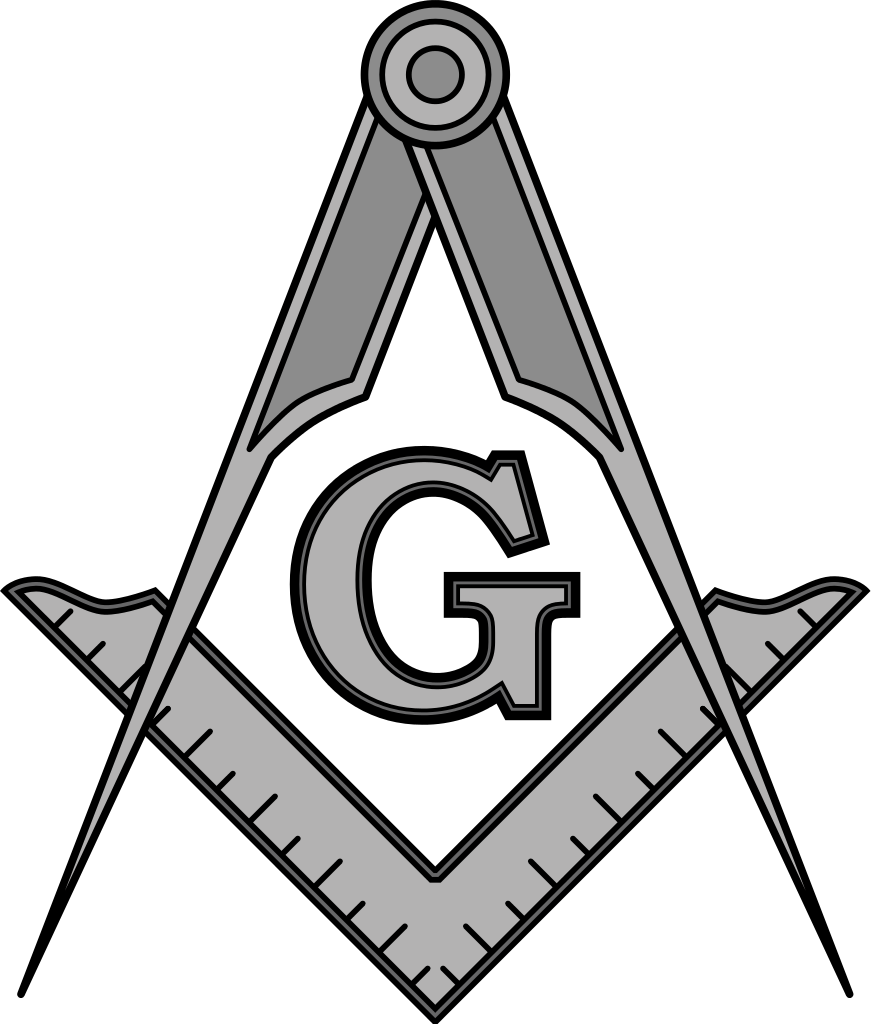
Freemasonry is not a trade organization, even though its traditions descend from the ancient craft of operative masons. Modern Freemasonry is speculative rather than operative: it uses the tools and language of the builder as moral symbols for building character.
Freemasonry is not merely a convivial society or dining club. Fellowship is part of Masonic life, but moderation, dignity, and self-control are essential Masonic virtues.
Freemasonry is also not a secret society in the ordinary sense. Its existence, meeting places, officers, history, and charitable works are public. It does, however, preserve private modes of recognition and symbolic teachings that belong to the Craft.
A simple distinction
Freemasonry is not about personal gain, politics, religious debate, or social status. It is about character, brotherhood, charity, truth, and moral improvement.
What Is Freemasonry?
Freemasonry is a society of men from many classes, nations, races, colours, and creeds. Its members are expected to believe in God, to be of good reputation, to live by moral conduct, and to possess the freedom of mind and character required to act honourably.
A Mason should be a man of good repute and morals. This does not mean perfection, but it does require honesty, integrity, responsibility, and a sincere desire to improve. The Craft seeks men who are capable of reflection, discipline, and service.
Freemasonry teaches its members to be considerate, kind, charitable, honest in thought and action, supportive of the weak, and willing to stand for what is right. These qualities matter more than wealth, title, or outward distinction.
The three grand principles of Freemasonry are Brotherly Love, Relief, and Truth. Brotherly Love teaches respect and goodwill toward others. Relief teaches charity and compassion. Truth teaches honesty toward ourselves, our neighbours, and God.
Brotherly Love
To treat others with respect, goodwill, patience, and understanding.
Relief
To practise charity, compassion, and practical assistance where help is needed.
Truth
To seek honesty, moral clarity, and integrity in thought, word, and action.
The Value of Masonry
Freemasonry offers men a place of peace, reflection, fellowship, and moral purpose. After the pressures of ordinary life, a Mason enters the lodge into an atmosphere of order, respect, and fraternity.
For some, Freemasonry is a source of friendship and fellowship. For others, it is a path of personal improvement, symbolic study, charitable work, or connection to an ancient tradition. It satisfies different men in different ways because its lessons apply to many areas of life.
The value of Masonry is found in its ability to gather men of different backgrounds around shared principles. It encourages them to become better men, better friends, better family members, and better citizens.